Good roof maintenance is mostly about catching small faults early: clear gutters and valleys, look for rust, lifted fixings and tired flashings, wash the parts rain does not reach, and have a roofer look closely once a year. Ricky Jenner Roofing repairs roofs and gutters across the Northern Rivers from our base in Wollongbar, and this is the maintenance checklist we would give any homeowner.
Why does roof maintenance pay off?
A roof fails slowly, then all at once. A lifted screw or a cracked flashing lets in a little water for months before a stain appears on the ceiling, and by then the battens or insulation may be wet as well. Regular checks catch those faults while they are still a small repair. They also help at claim time, because home insurers commonly exclude damage caused by wear and tear or lack of maintenance.
What can you check from the ground?
You do not need to climb onto the roof for any of these. Walk around the house on a clear day, with binoculars if you have them.
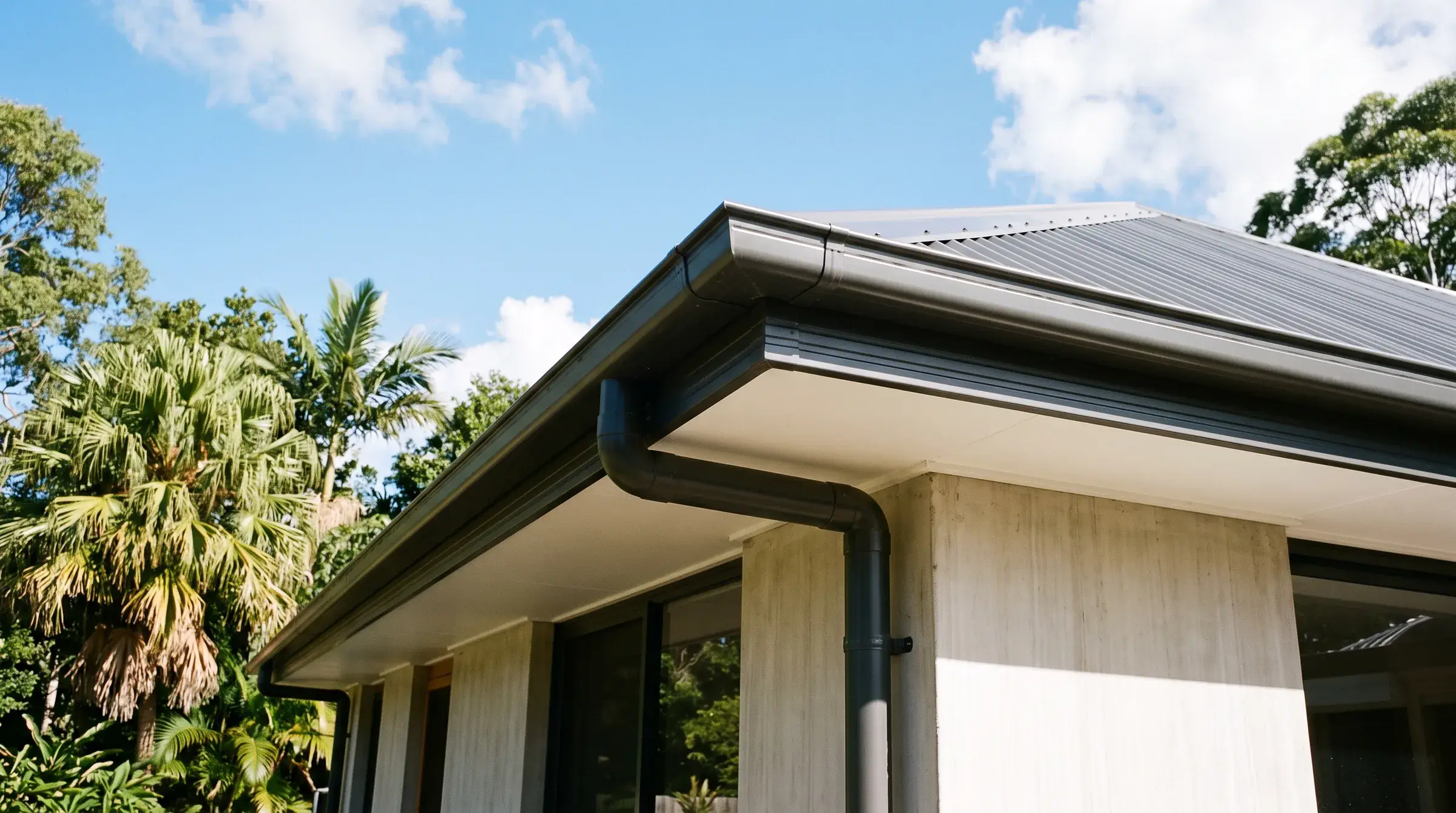
- Gutters and downpipes: leaves or plants growing in the gutter, sagging sections, water stains on the fascia, and downpipes that are loose or disconnected at the bottom.
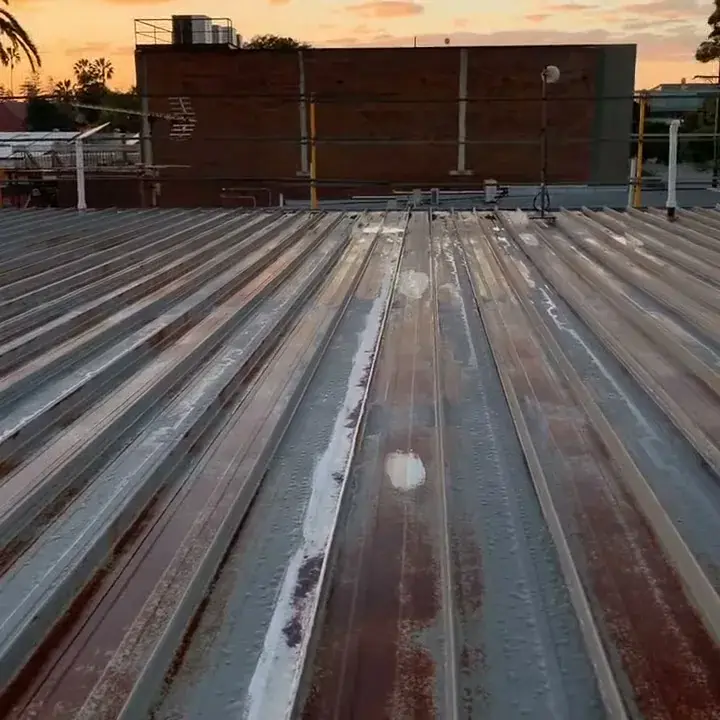
- Sheets: lifted edges, dents, or rust streaks running down from screws and laps.
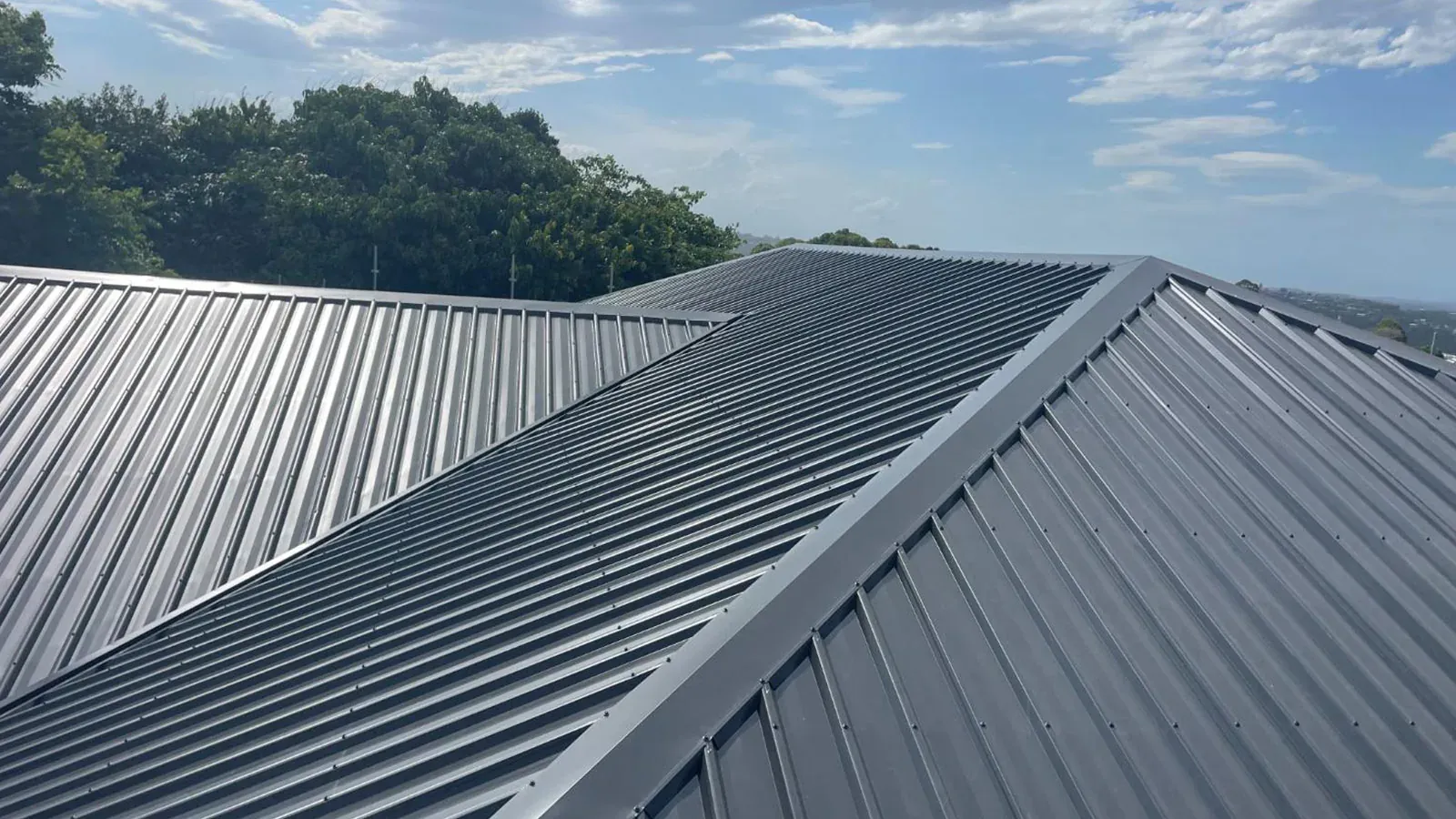
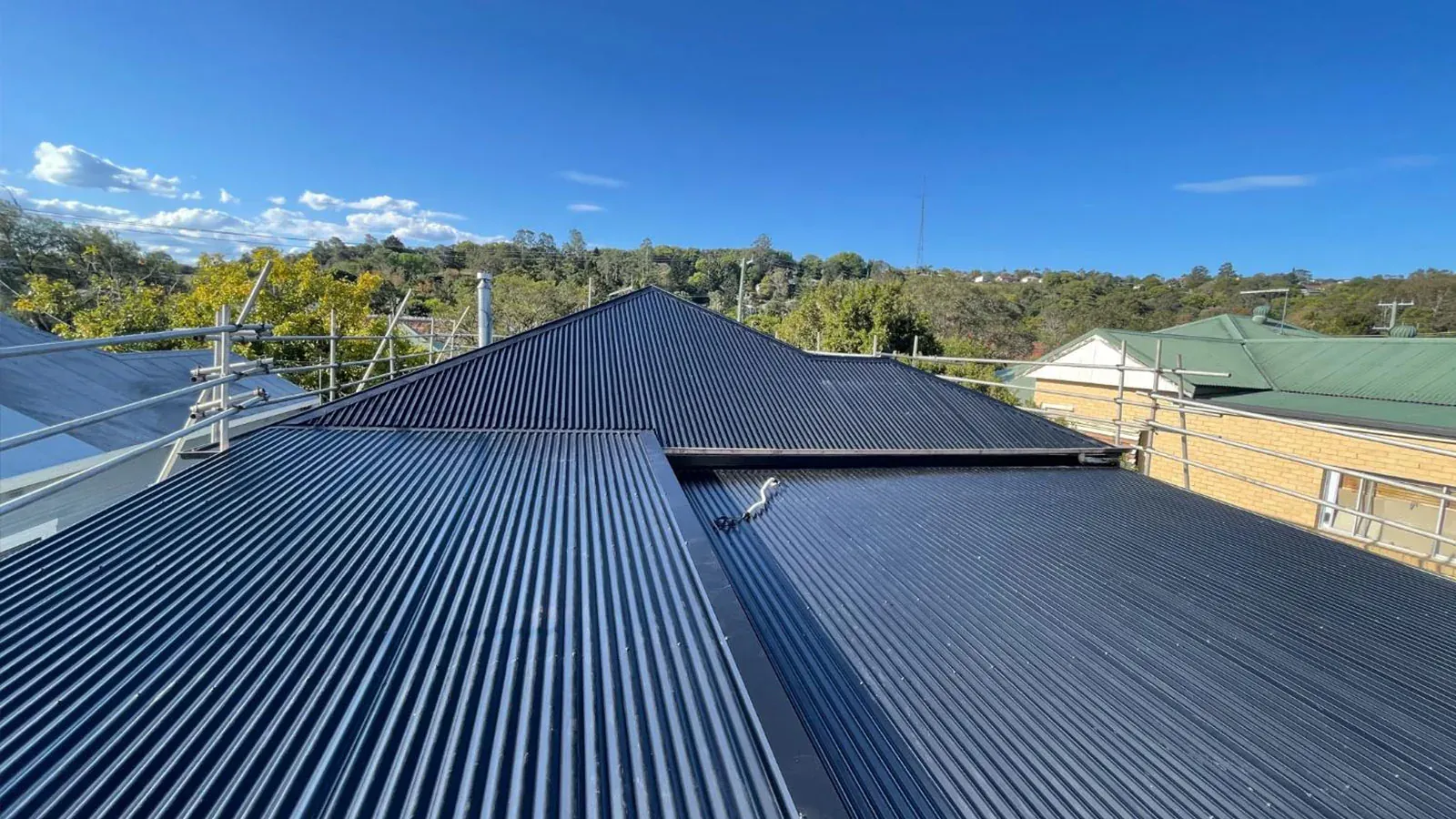
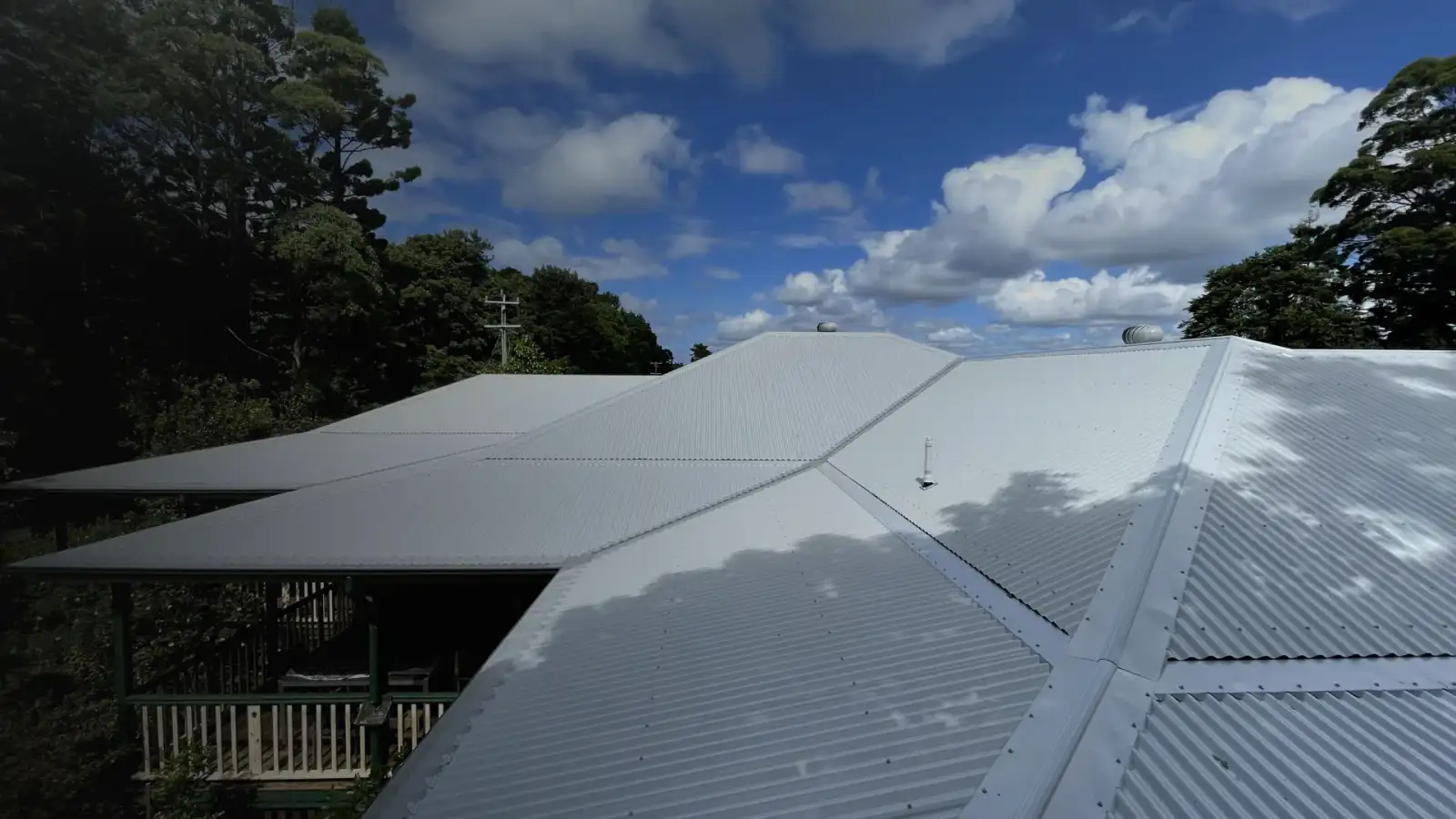
- Cappings and ridges: straight, tight and in one piece. On tiled roofs, look for cracked or missing mortar along the ridge.
- Flashings: where the roof meets walls, chimneys and skylights, check nothing has pulled away.
- Trees: branches touching or overhanging the roof, and leaf build-up in valleys.
- Inside: stains on ceilings or cornices, peeling paint, a musty smell, or daylight showing through into the roof space.
After heavy rain, walk around again and watch where water spills. Gutters that overflow in the same place every time need attention.
What does a roofer check on an inspection?
A roofer on the roof can see what you cannot from the ground. A proper check covers:
- Fixings: screws that have backed out, rusted, or lost their sealing washers.
- Sheet laps: rust starting where sheets overlap, and laps that have lifted.
- Flashings and cappings: folds, fixings and seals, especially at walls and chimneys.
- Penetrations: skylights, whirlybirds, vent pipes, flues and solar mounts.
- Valleys and box gutters: debris, rust and outlets that drain freely.
- Swarf and debris: metal filings left from earlier work, which rust and stain the paint, and leaves or soil sitting on the steel.
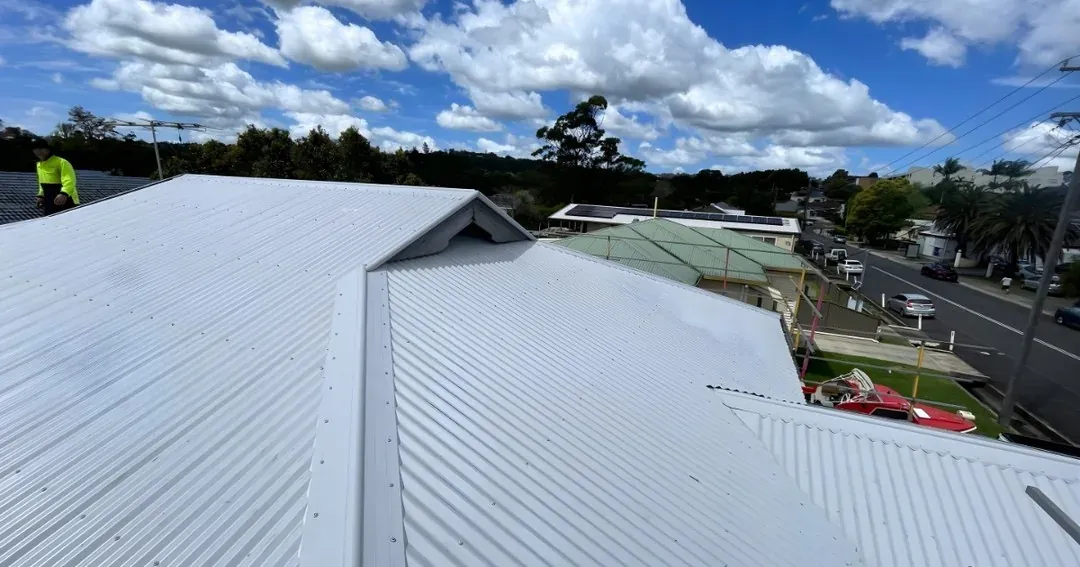
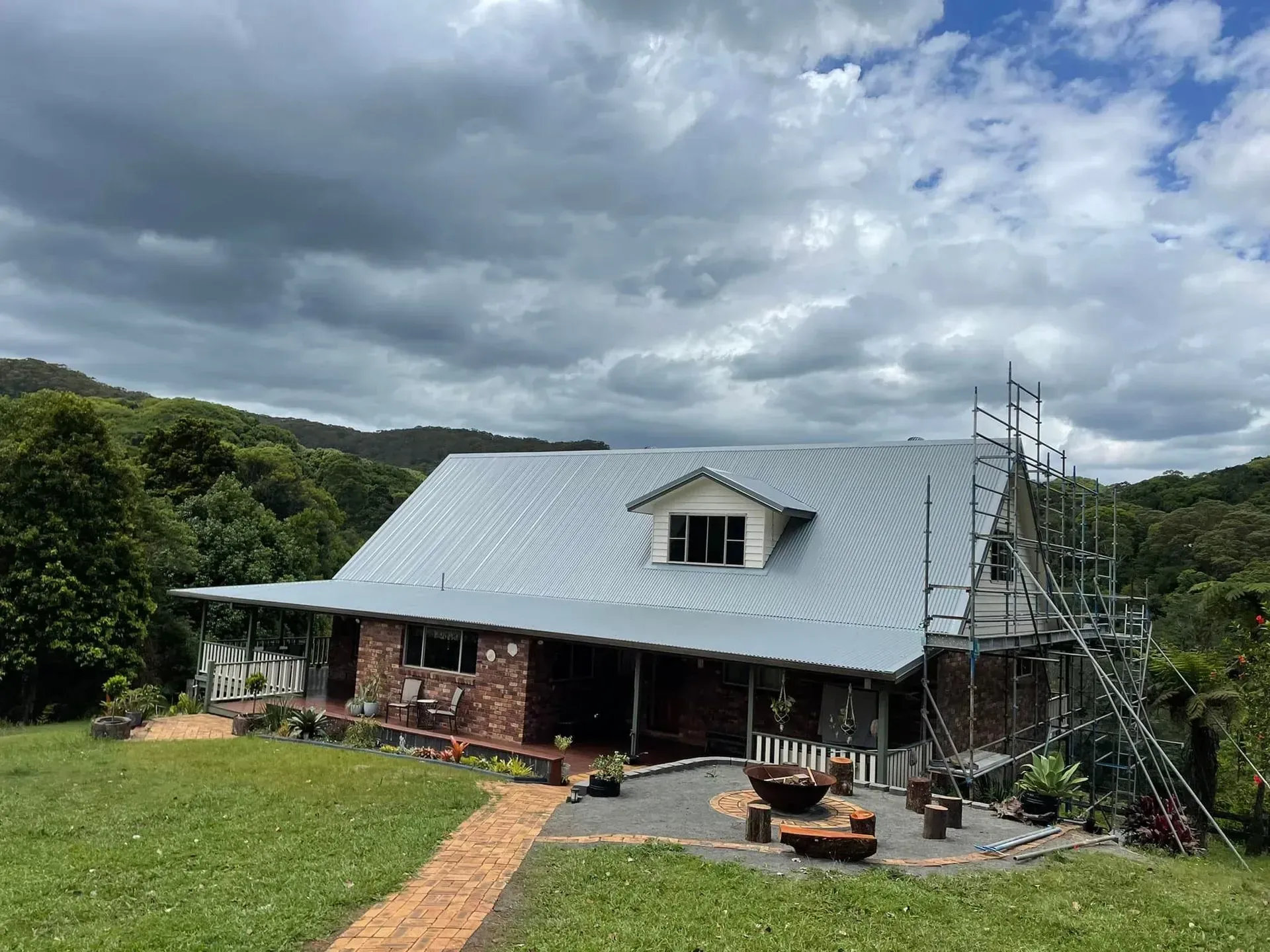
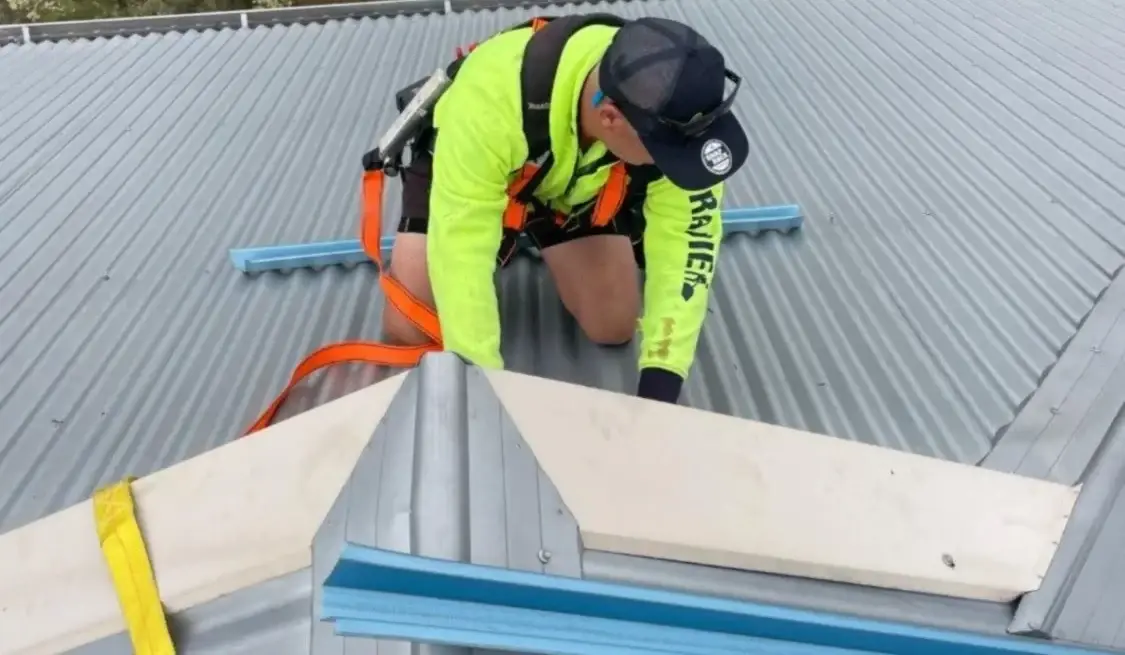
We use harnesses or scaffold edge protection depending on the roof, so the check is done safely. To get one done, book a roof inspection. If it turns up a problem, we quote the roof repairs in writing so you can decide what to fix now and what can wait.
How do you wash a Colorbond roof safely?
Rain does most of the work on an exposed Colorbond roof. BlueScope’s care guidance focuses on the areas rain does not reach:
- Hose the unwashed areas, such as the underside of eave gutters, wall cladding under eaves and the tops of garage doors, at least every six months. Do it more often near the coast, where salt spray builds up.
- Wash gently if hosing is not enough. Use a mild solution of pure soap or non-abrasive detergent in warm water, with a sponge, soft cloth or soft nylon brush. No steel wool or abrasive scourers.
- Rinse straight away with fresh water to remove any detergent.
- Keep soil, mulch and leaves off the steel, and clean up any swarf after drilling or cutting.
Sources: COLORBOND steel maintenance and the COLORBOND steel FAQ. BlueScope’s advice does not call for high-pressure cleaning, so keep to the gentle method. Do the walls and gutters from the ground. Washing the roof itself means working on wet steel at height, which is a job for someone with fall protection.
Looked after this way, a metal roof lasts a long time. Our guide on how long a Colorbond roof lasts covers what shortens its life, especially near the coast.
Gutters, valleys and downpipes
Many heavy-rain leaks trace back to water that could not get away. Clear gutters and valleys before storm season, and again after heavy leaf drop. Check that downpipes drain freely and connect properly to the stormwater below.
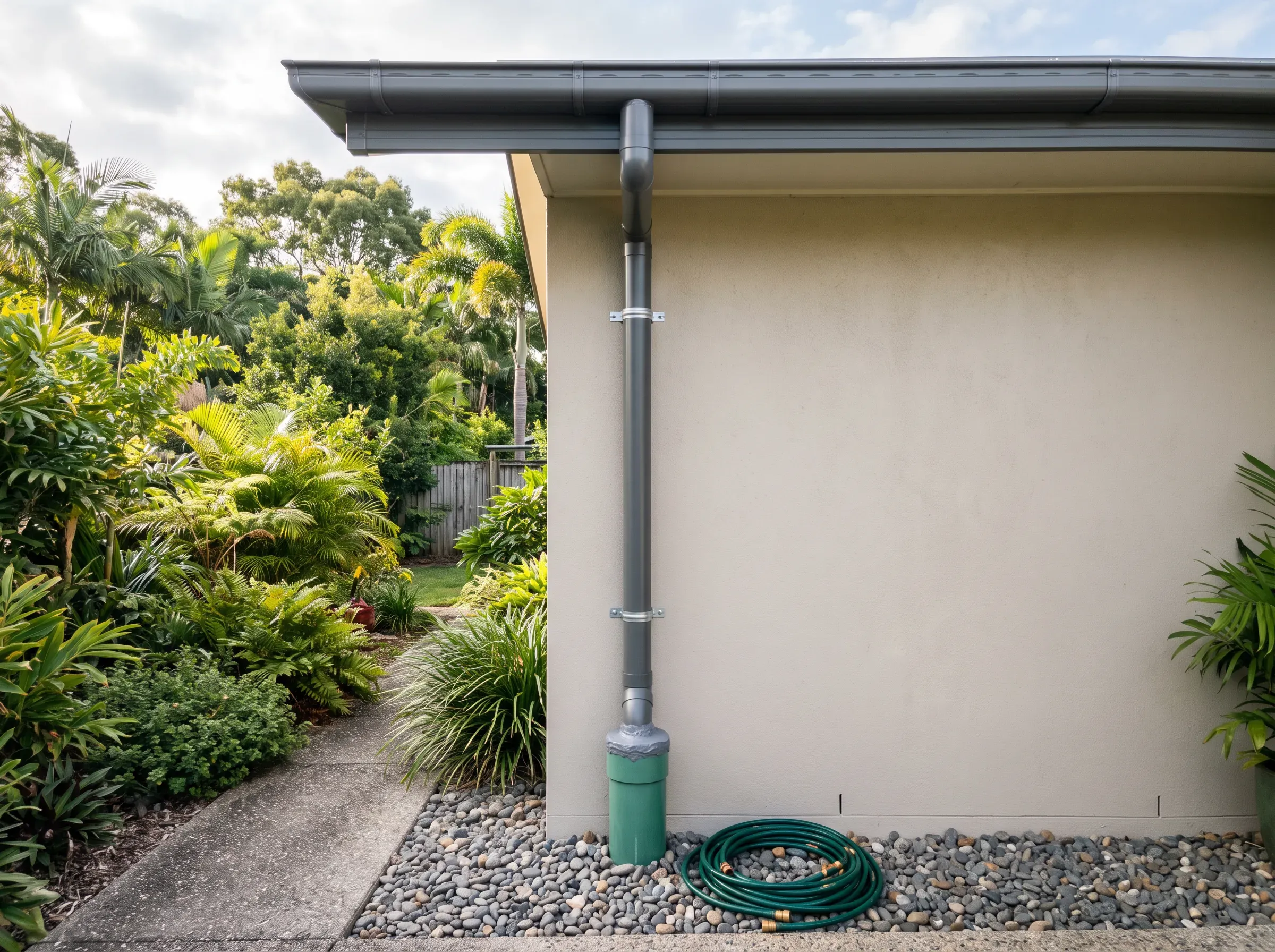
Sagging gutters, rusted joints and leaking downpipes are gutter repairs worth doing in dry weather. Before each storm season, run through our storm season checklist as well.
Commercial and strata roofs
Larger roofs need a schedule, not a reminder. Box gutters, long sheet runs and rooftop plant add more joints and outlets to watch, and a blocked box gutter on a shop or unit block can flood the space below. We offer commercial roof maintenance with scheduled inspections, gutter and box gutter cleaning and fixing checks for retail, industrial and strata buildings.
Common questions
How often should roof maintenance be done?
Once a year suits most homes, ideally in late winter or early spring before storm season. Check again after any severe storm, and more often if you live on the coast, under big trees or have box gutters. Between inspections, a quick look from the ground after heavy rain will catch most problems while they are still small and cheap to fix.
Which parts of a Colorbond roof need washing, and how?
Rain keeps most of an exposed Colorbond roof clean. BlueScope says areas rain does not wash, such as under eaves and the underside of gutters, should be hosed down at least every six months, and more often in coastal areas with salt spray. Where hosing is not enough, use a mild detergent and a soft brush, then rinse.
Can I pressure-wash my metal roof?
BlueScope's published care advice is gentle: hose with fresh water, and where needed wash with mild soap or detergent using a sponge, soft cloth or soft nylon brush, then rinse. It does not call for high-pressure cleaning, and abrasive methods can scuff the paint. Walking on a wet roof is also dangerous, so wash at height only with fall protection.
What does roof maintenance cost?
It depends on the size and height of the roof, how easy it is to reach, whether scaffold or edge protection is needed and what the inspection finds. Clearing gutters and replacing a few fixings is a small job, while replacing flashings or rusted sheets costs more. Ask for an itemised written quote so you can see each item.